
dark gray reflective glass
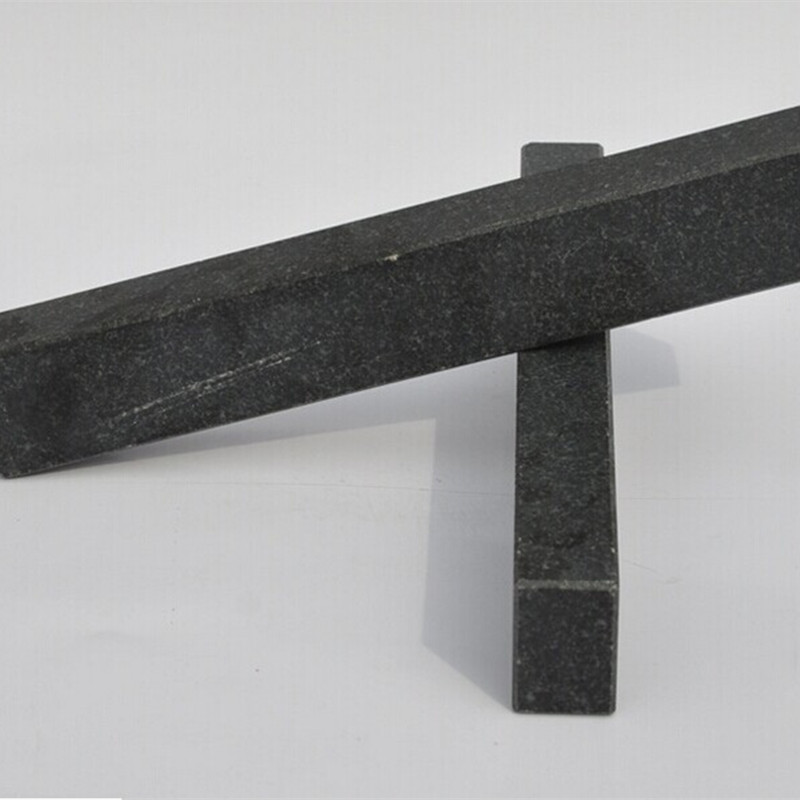
The Knife Edge Ruler Precision in Measurement In the world of measurement and engineering, the concept of precision is paramount. Among the tools that embody this vital principle is the knife edge ruler. This unique measuring device stands out for its design and functionality, making it an essential instrument for professionals in various fields, including woodworking, metalworking, and even architecture. A knife edge ruler is characterized by its finely sharpened edge, which allows for an extremely accurate reading of measurements. Unlike traditional rulers, which may have a blunt edge that can create discrepancies in measurement accuracy, the knife edge design provides a pinpoint reference for measurements, ensuring that every millimeter, inch, or centimeter is accounted for with the utmost precision. This feature is especially important in applications where slight deviations in measurement can lead to significant errors in the final product. The origins of the knife edge ruler can be traced back to traditional craftsmanship where artisans needed tools that could deliver high accuracy for their intricate work. Its design is rooted in the need for simplicity, efficiency, and effectiveness. A well-made knife edge ruler typically features a straight, elongated body with gradations etched along its length. The sharp edge, often made from high-quality steel, serves not only as a reference point but also as a means to score materials like wood or metal, facilitating cleaner cuts and joints. The applications of the knife edge ruler extend beyond the workshop. In the field of engineering, precision is critical, and tools that can deliver this level of accuracy are invaluable . Engineers often employ knife edge rulers in drafting and design, where accurate measurements can influence the integrity and aesthetics of a structure. Similarly, architects might use such instruments to ensure that blueprints are accurate and to scale, paving the way for successful construction phases. knife edge ruler One of the notable advantages of the knife edge ruler is its versatility. While primarily associated with linear measurements, it can also be used in conjunction with other tools. For example, when paired with calipers or squares, it enhances the accuracy of complex measurements and alignments. This compatibility makes it a staple in both professional and DIY toolkits, appealing to hobbyists, makers, and seasoned professionals alike. However, like any tool, the effectiveness of a knife edge ruler largely depends on its maintenance and proper use. Regularly checking the sharpness of the edge and ensuring that it remains free of nicks and burrs is crucial for maintaining its precision. Additionally, users should be mindful of how they handle and wield the ruler; maintaining a steady hand and applying the right amount of pressure during measurements can significantly improve accuracy. In the digital age, where technology often takes precedence over traditional tools, the knife edge ruler remains relevant for its simplicity and effectiveness. While digital measuring devices offer convenience, the tactile experience and direct visual confirmation of measurements with a knife edge ruler offer a level of certainty that technology sometimes fails to provide. For many craftsmen and engineers, there is an inherent satisfaction in using a physical tool that connects them directly to their work. In conclusion, the knife edge ruler exemplifies the fusion of craftsmanship and precision in measurement. Its unique design enhances accuracy, making it an indispensable tool for anyone engaged in precise work. Whether in a professional setting or a home workshop, the knife edge ruler stands as a testament to the timeless value of meticulous measurement and the art of craftsmanship. As we continue to innovate and embrace new technology, the fundamental principles of precision and accuracy that the knife edge ruler represents will always hold a place in our toolkit.
about
dark gray reflective glass
How to Turn Off the Main Water Valve A Step-by-Step Guide Understanding how to turn off your main water valve is an essential skill for every homeowner. Whether you're experiencing a plumbing leak, preparing for a renovation, or dealing with a burst pipe, knowing how to quickly shut off your water supply can save you from extensive damage and costly repairs. This article will guide you through the process of locating and turning off the main water valve in your home. What is the Main Water Valve? The main water valve controls the flow of water into your home from the municipal water supply or well. It serves as a vital safety feature, allowing you to stop the water flow in emergencies. It’s typically located near where the water line enters your home, often close to the foundation or in the basement. Steps to Turn Off the Main Water Valve 1. Locate the Main Water Valve The first step is to find the valve. Common locations include - Basement Often found near the water heater or where the water line enters the house. - Crawl Space Sometimes accessible in homes with crawl spaces. - Outside In warmer climates, the valve may be located outside, typically near an exterior wall or next to the foundation. - Garage Check in the garage if you can't find it elsewhere. 2. Identify the Type of Valve There are generally two types of valves to be aware of - Gate Valve This valve has a round wheel that you turn to open or close it. Turning it clockwise will close the valve, while counterclockwise opens it. - Ball Valve This type has a lever handle that you turn a quarter turn to switch between open and closed. When the handle is parallel to the pipe, it’s open; perpendicular indicates that it’s closed. 3. Prepare for the Switch Once you've located the valve, prepare for operation - Clear the area around the valve to allow easy access. - Have towels or buckets ready to catch any water that may leak out when the valve is shut off. how to turn off main water valve 4. Turning Off the Valve - For Gate Valves Turn the wheel clockwise until it stops. It might require some effort if it hasn’t been turned in a while, so apply steady pressure. - For Ball Valves Simply turn the lever perpendicular to the pipe to close it. 5. Check for Water Flow After you’ve turned off the valve, check your taps and fixtures to ensure that the water supply has stopped. Turn on a faucet (preferably the highest one in your home) to see if there is any remaining water pressure. It’s normal for a little water to come out, but there should be no sustained flow. 6. Address the Issue at Hand With the main water supply turned off, you can safely work on fixing leaks, replacing pipes, or conducting repairs without the risk of flooding your home. 7. Turning the Valve Back On Once you’ve completed your work, turning the valve back on is just as easy - For Gate Valves Turn the wheel counterclockwise until fully open. - For Ball Valves Turn the lever back parallel to the pipe. 8. Check for Leaks After restoring the water supply, inspect your plumbing for any leaks, especially at the sites of repairs. If you notice any leaks, turn the valve off again and address the plumbing issue before proceeding. Conclusion Knowing how to turn off your main water valve is a crucial part of home maintenance. It empowers you to handle plumbing emergencies efficiently, potentially saving you from extensive damage and repair costs. Make sure that all members of your household are aware of its location and how to operate it. Regularly check the functionality of your valve to ensure that it remains operational when you need it the most. With this skill in your toolkit, you can take control of unexpected plumbing problems with confidence.
-

High quality industrial productsagement

High quality industrial products
View Details -

Meet the diverse needs of customers

Meet the diverse needs of customers
View Details -

Strict quality control

Strict quality control
View Details -

Top raw materials

Top raw materials
View Details -

Trusted supplier

Trusted supplier
View Details
Our application

news and information
ventil metall
Valvemetaller En Djupdykning i deras Egenskaper och Användningar Valvemetaller är en viktig klass av
Válvula Globo de Alta Qualidade - Soluções Eficientes em Controle de Fluxo
Válvula de Globo de 2% Uma Solução Eficiente para Controle de Fluxo As válvulas de globo são compone
Using a Level Ruler for Accurate Measurements and Alignment in DIY Projects
The Importance of a Spirit Level Ruler in Construction and DIY Projects A spirit level ruler is an i
 English